.png)
BOREI CLASS SUBMARINE
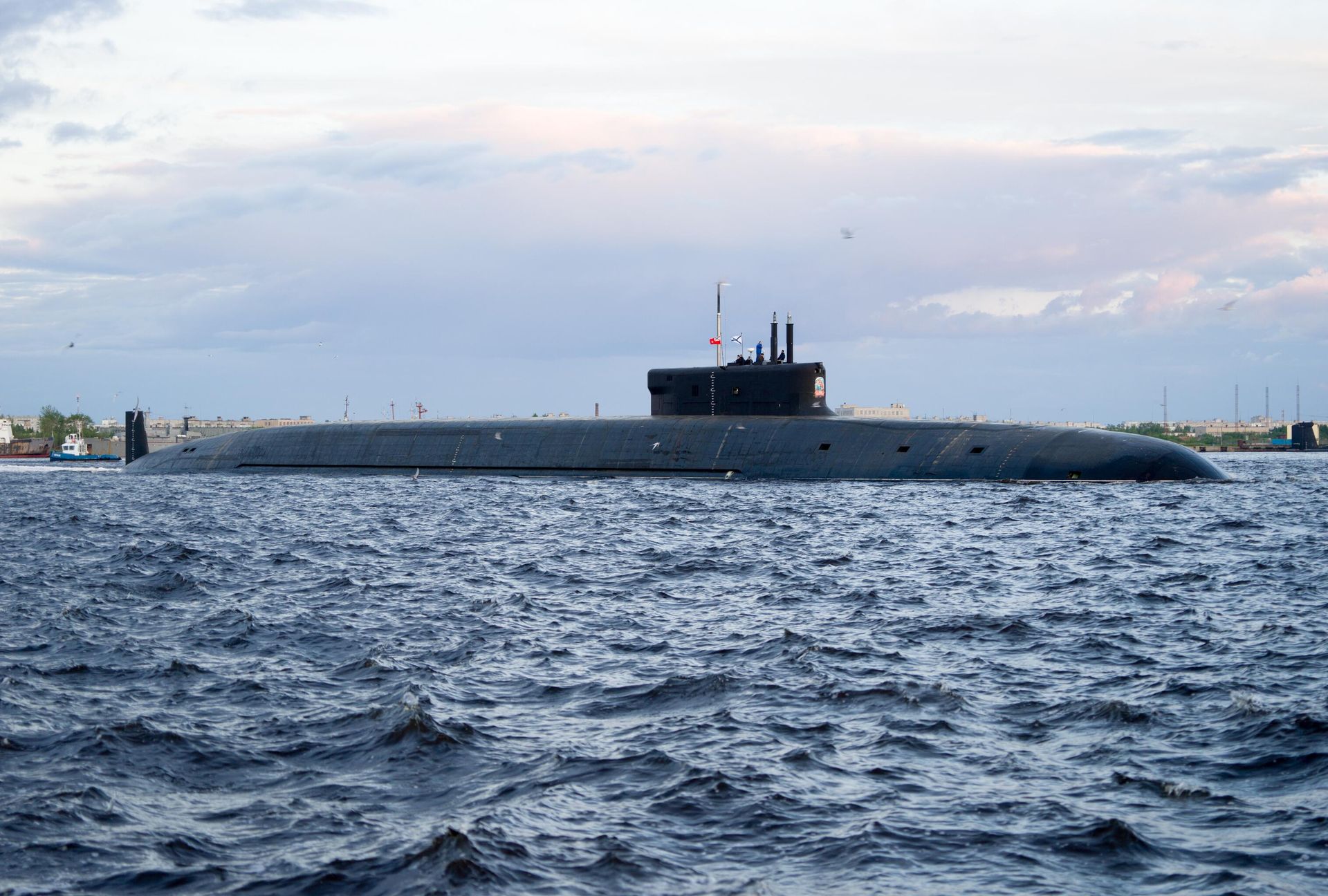
Technical telemetry for Project 955 Borei — Russia's 4th generation nuclear ballistic missile submarine (SSBN) featuring advanced pump-jet propulsion.
1. Introduction: Russia's Next-Generation Deterrent
The Borei-class (Project 955) is Russia's newest generation of
nuclear-powered ballistic missile submarines (SSBN), and is
currently considered the most modern SSBN in active service
worldwide. Entering service in 2013, it measures approximately
170 meters in length with a submerged displacement of around
24,000 tons, making it comparable in size to the Ohio-class but
built with far newer technology and design philosophy. While the
American Ohio-class dates back to the 1980s and remains the
backbone of U.S. nuclear deterrence, the Borei-class
incorporates decades of advancement in stealth, automation, and
hull design, giving it a distinct generational edge in acoustic
quietness and survivability.
It represents Russia's primary strategic nuclear deterrent
for the coming decades, replacing older Soviet-era Delta-class
and Typhoon-class submarines in the country's naval doctrine.
2. Armament, Strategic Role & Destructive Power
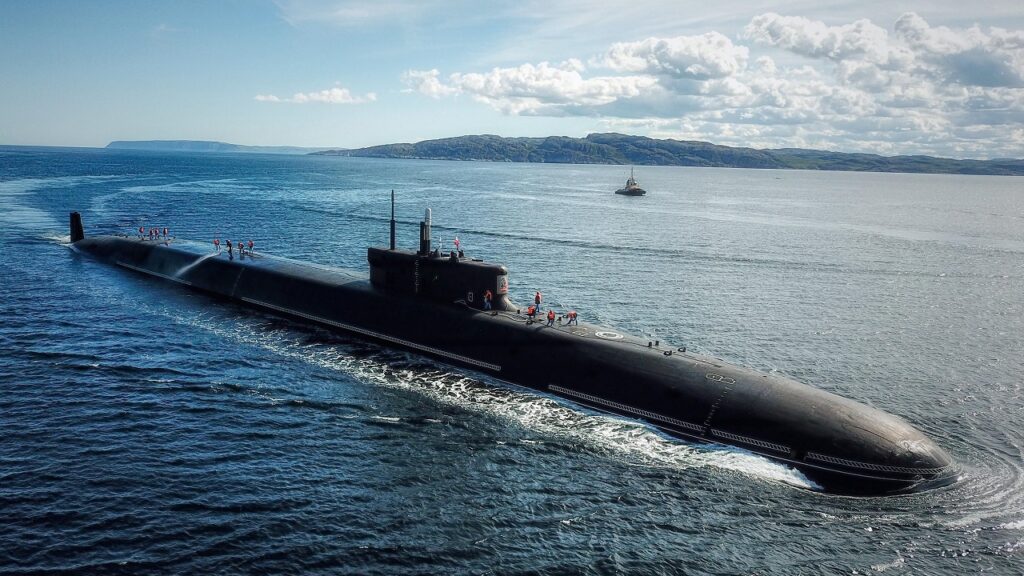
The Borei-class combines strategic missile power with tactical
self-defense capability:
i)
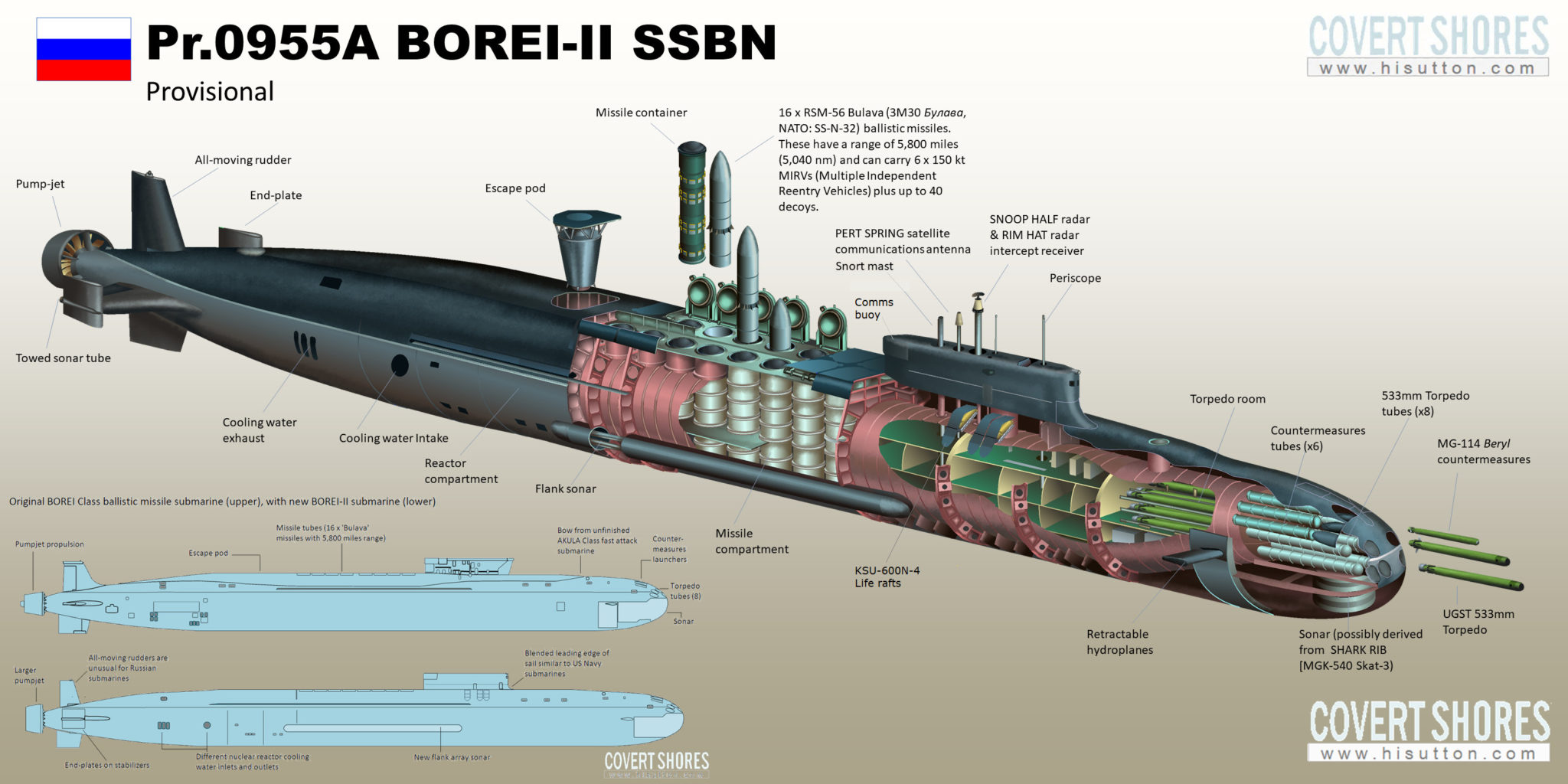
Bulava SLBM: Carries up to 16 RSM-56 Bulava submarine-launched
ballistic missiles, each fitted with MIRV technology delivering
up to 6 nuclear warheads with yields around 100-150 kilotons
each.
ii) Torpedo Tubes:
Equipped with 533mm torpedo tubes capable of firing heavyweight
torpedoes, allowing it to engage enemy submarines directly, a
flexibility the Ohio-class largely lacks in its SSBN role.
iii)
Total Strike Potential: A fully-loaded Borei-class submarine can
theoretically deliver up to 96 nuclear warheads, sufficient to
devastate multiple countries in a single launch sequence.
This dual-capability design makes it both a
strategic deterrent and tactical threat.
3. Stealth and Operational Tactics
The Borei-class was engineered specifically to surpass older
Soviet designs in acoustic stealth:
i) New
Hull Design: A single-hull configuration with advanced
sound-dampening coatings drastically reduces its acoustic
signature compared to older Russian submarines.
ii)
Pump-Jet Propulsion: Uses a pump-jet propulsor instead of a
traditional propeller, significantly minimizing cavitation noise
underwater.
iii)
Automation: Advanced automated systems reduce crew size to
around 107 personnel, lowering internal noise generated by
onboard machinery and operations.
iv)
Deep Patrol Endurance: Designed for extended stealth patrols in
Arctic and open-ocean waters, maintaining survivability as part
of Russia's second-strike doctrine.
Compared to the
aging Ohio-class, the Borei-class is widely regarded as quieter,
more automated, and technologically superior overall.
4. Legacy and Current Status
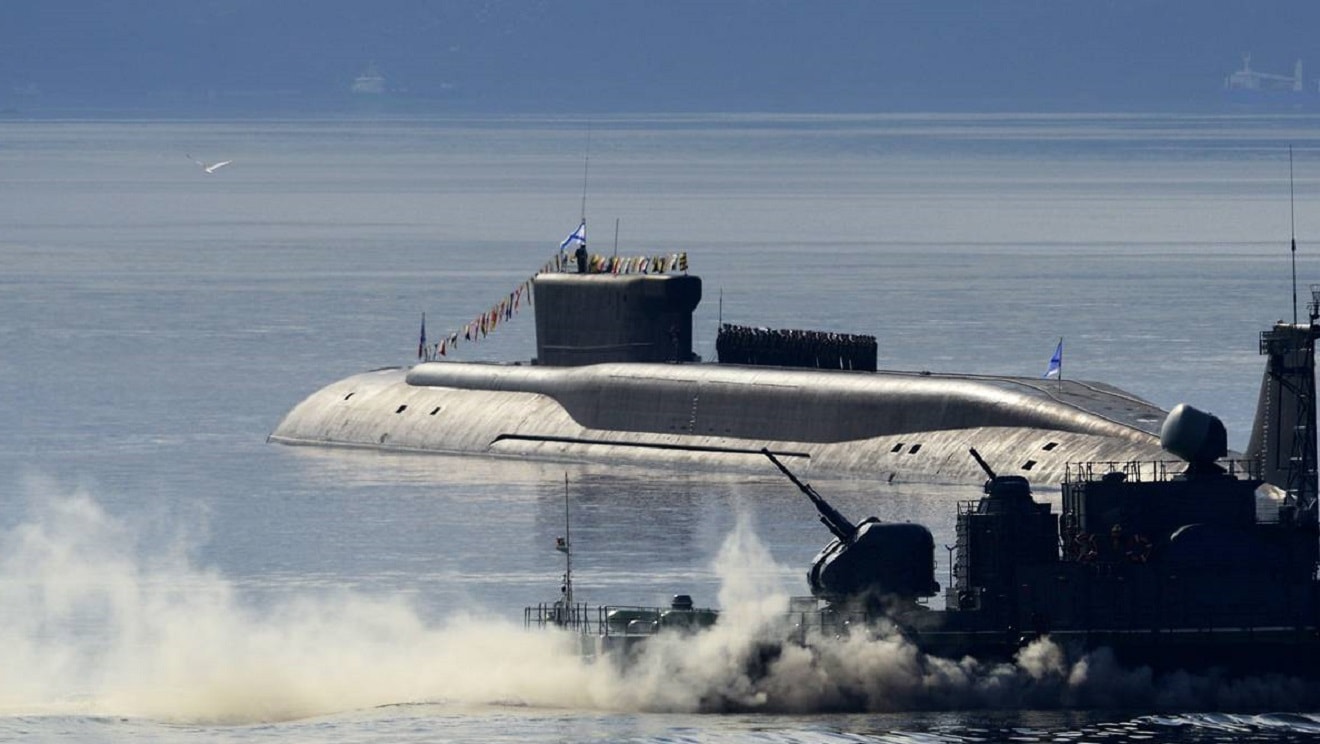
The Borei-class represents the centerpiece of Russia's modern
nuclear triad, actively replacing older submarine classes within
the Russian Navy's strategic fleet. Several units are already in
service, with improved Borei-A variants featuring further
stealth and system upgrades currently being commissioned. While
the Ohio-class remains reliable and battle-tested, its design is
over four decades old, whereas the Borei-class benefits from
modern engineering standards developed well after the Cold War's
end.
As construction continues, the Borei-class is expected to
fully replace Russia's remaining Soviet-era SSBNs within the
coming years, solidifying its position as the most
technologically advanced ballistic missile submarine currently
in active service anywhere in the world today.