.png)
AKULA CLASS SUBMARINE
Technical telemetry and tactical specs for Project 971 Shchuka-B (Akula Class) — Russia's formidable, ultra-quiet nuclear-powered attack submarine (SSN).
1. Introduction: The Silent Predator
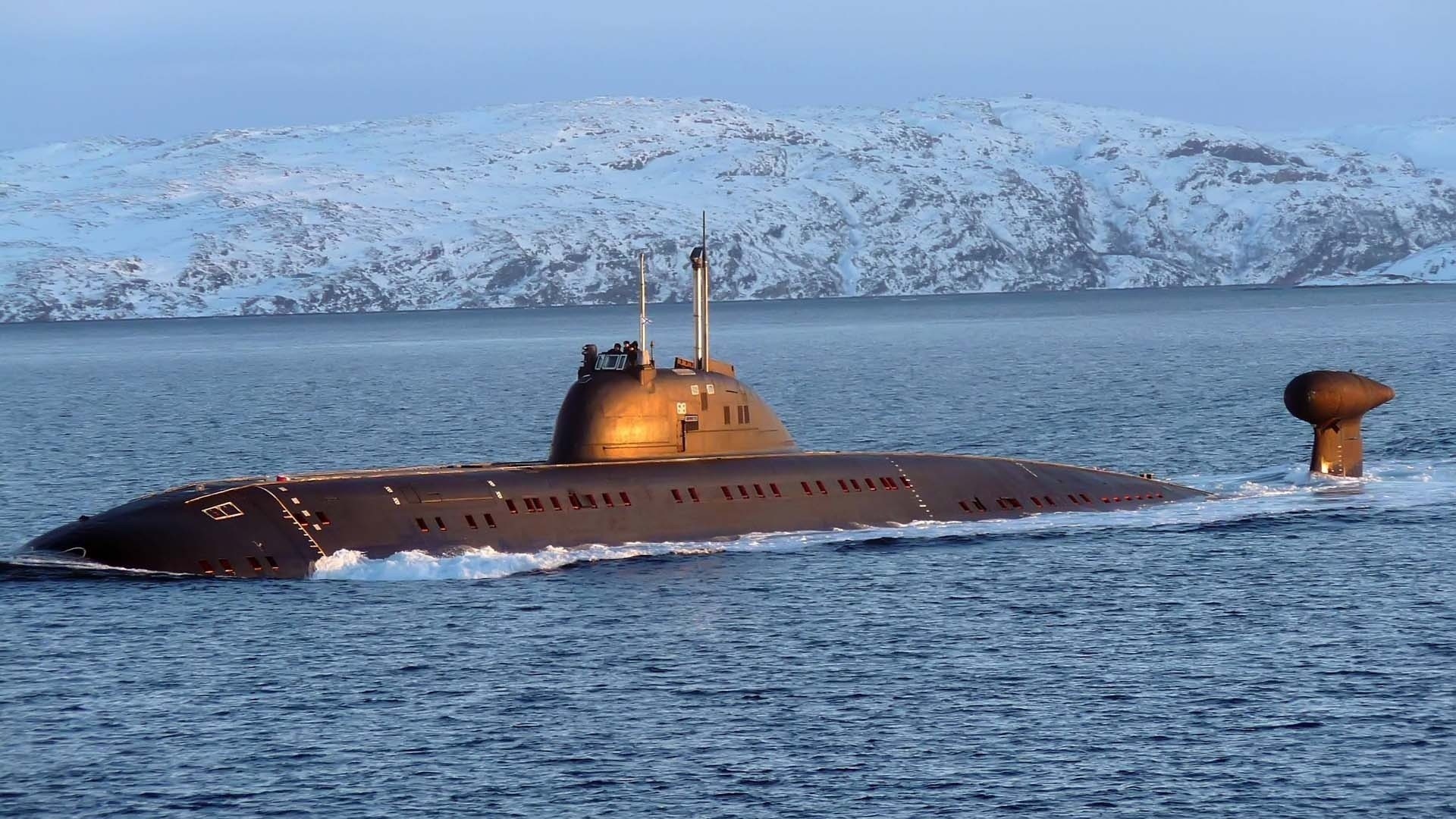
The Akula-class (Project 971 Shchuka-B) is a Soviet/Russian
nuclear-powered attack submarine renowned for exceptional
stealth and speed. Entering service in the mid-1980s, it
measures approximately 110 meters in length with a submerged
displacement of around 12,770 tons—smaller and far more agile
than the massive Typhoon-class.
Unlike the Typhoon's strategic deterrence role, the Akula-class
was designed as a hunter-killer submarine, tasked with tracking
and destroying enemy submarines and surface vessels during
wartime. Its hull incorporates advanced anechoic tiles and a
streamlined design that dramatically reduced acoustic signature,
catching Western naval intelligence off guard when first
detected. This leap in quietness marked a turning point in the
Cold War's underwater arms race, forcing NATO navies to
significantly upgrade anti-submarine warfare capabilities and
detection systems, ultimately reshaping global submarine design
philosophy for decades to come.
2. Stealth and Operational Tactics
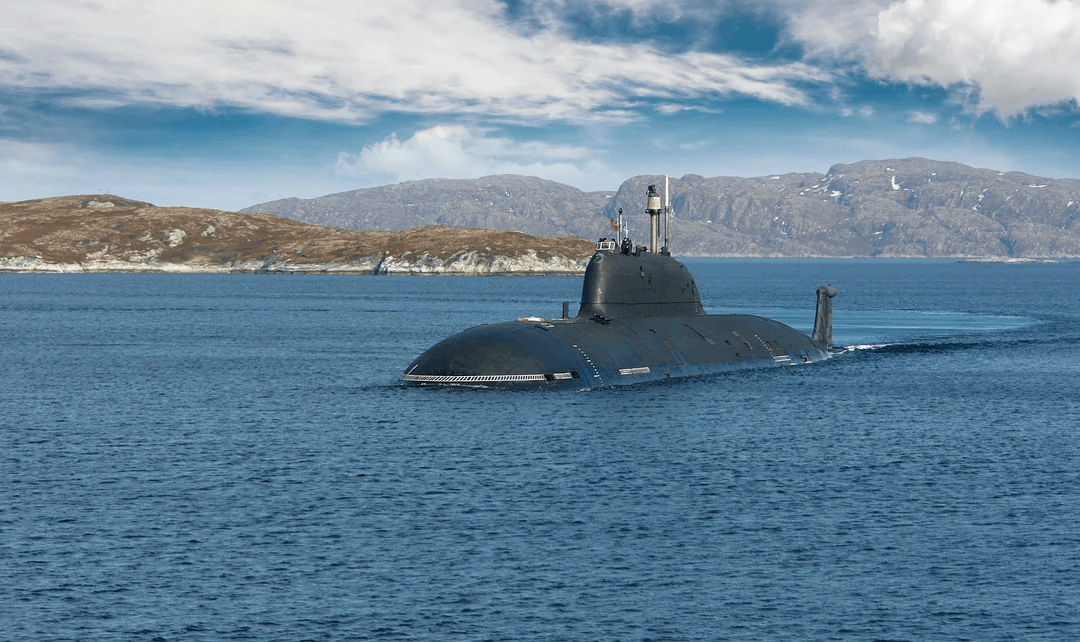
The Akula-class's defining strength lies in its extraordinary
quietness and covert doctrine:
i) Anechoic
Coating: Rubber hull tiles absorb and scatter enemy sonar pings,
significantly hindering detection.
ii) Isolated
Machinery Mounts: Engines and equipment sit on
vibration-dampening rafts, preventing mechanical noise from
reaching the water.
iii) Redesigned
Propulsor: A shrouded propulsor replaced traditional propellers,
minimizing cavitation noise—a breakthrough that shocked Western
intelligence.
iv) Deep-Diving
Capability: Operates at depths up to 600 meters, evading
shallower anti-submarine assets.
v) High Submerged
Speed: Exceeds 30 knots underwater, enabling rapid repositioning
during engagements.
vi) Hunter-Killer
Patrols: Covertly shadows NATO submarines and carrier groups
while conducting extended intelligence-gathering missions near
foreign coastlines, remaining acoustically invisible throughout.
3. Armament, Combat Role & Destructive Power
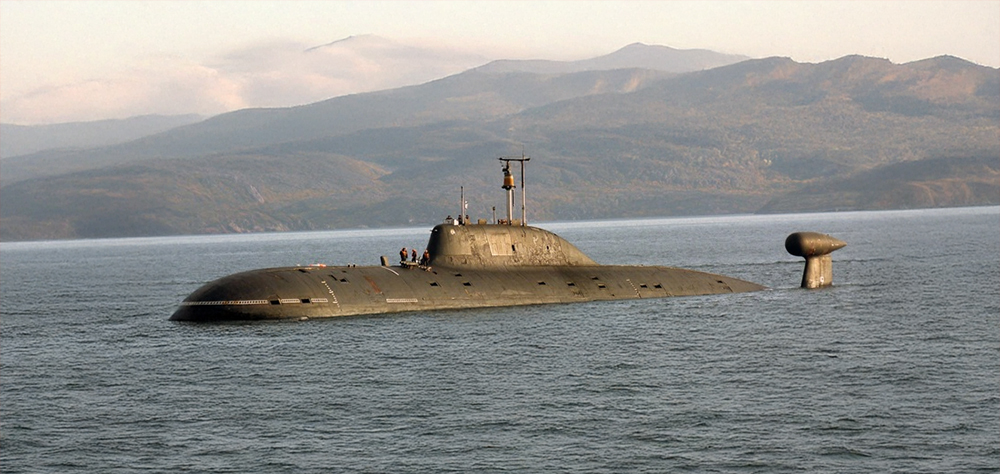
The Akula-class carries a versatile, lethal weapons suite:
i) Torpedo Tubes:
Six 533mm tubes firing heavyweight torpedoes with high-explosive
warheads, capable of crippling or sinking enemy vessels via
direct hull strikes and hydrostatic shockwaves.
ii) Cruise
Missiles: SS-N-21 Sampson land-attack cruise missiles enable
precision strikes on strategic land targets from underwater,
extending its role beyond anti-submarine warfare.
iii) Anti-Ship
Missiles: SS-N-15 Starfish missiles deliver conventional or
nuclear depth charges against enemy naval task forces and
carrier groups.
iv) Mines:
Deployable naval mines block enemy shipping lanes and choke
points, disrupting logistics during conflict.
Together,
these systems make the Akula-class a formidable multi-role
threat beneath the waves.
4. Legacy and Current Status
The Akula-class fundamentally altered the balance of underwater
warfare, prompting the United States to accelerate development
of quieter Seawolf-class submarines in direct response to this
new threat. Several improved variants followed, including Akula
II and Akula III versions with further noise-reduction upgrades
and modernized sensor suites.
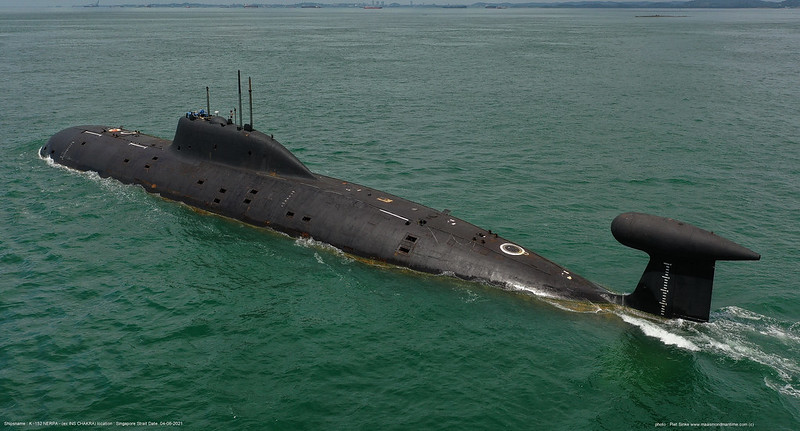
While some original units have been decommissioned or scrapped
since the Cold War's end, a number remain active in the Russian
Navy today, with a few also leased to India under the Chakra
program. Despite newer classes like the Yasen-class emerging,
the Akula-class continues serving as a capable frontline attack
submarine. Its legacy endures as a benchmark in submarine
stealth technology, having reshaped how modern navies approach
underwater combat and anti-submarine warfare strategy into the
21st century.
3D Tactical Telemetry View
* Controls: Left-click + drag to rotate | Scroll to zoom | Right-click + drag to pan.